If you picture West Palm Beach condo living as one thing, you may miss the option that actually fits you best. Downtown, the Flagler waterfront, and quieter residential pockets each offer a very different daily rhythm, even though they can sit just minutes apart. If you are trying to decide where your lifestyle fits, this guide will help you compare the feel, setting, and key ownership details that matter most. Let’s dive in.
Why lifestyle fit matters first
West Palm Beach’s downtown market is shaped by a planning framework that separates distinct district types rather than treating the area as one uniform condo zone. The city’s Downtown Master Plan covers about 767 acres, and downtown now includes nearly 9,000 residential units along with more than 10.4 million square feet of nonresidential development.
That scale gives you options, but it also means your best choice is not just about finishes, views, or price. It is about how you want your day to feel. In most cases, your decision comes down to three lifestyle paths: an urban mixed-use core, a waterfront tower setting, or a lower-scale residential pocket.
Downtown core lifestyle
What downtown West Palm Beach feels like
If you want the most walkable condo lifestyle, downtown is usually the first place to look. The city describes Clematis Waterfront as a pedestrian-oriented historic retail corridor between the waterfront and Rosemary Avenue, with ground-floor retail and mixed uses above the first floor.
Other downtown districts add to that urban feel in different ways. CityPlace, now known locally as The Square, is planned as a mixed-use district with retail, multifamily residential, office, hotel, and cultural uses, while the Quadrille and Okeechobee districts are more office-intense and urban in scale.
In practical terms, this is the part of West Palm Beach where you are most likely to build your routine around walking. Restaurants, events, cultural uses, open space, and day-to-day services are part of the draw.
Building styles and amenities downtown
Downtown is not all high-rises. The city’s plan includes low-scale residential west of Rosemary, mid-rise residential in the Transit Oriented District, and both mid-rise and high-rise development in other parts of the core.
This part of the city also ties condo living to public transportation, reduced parking ratios, neighborhood parks, and green space. Nearby civic amenities include Waterfront Commons and parks such as City Commons, Waterfront Park, Howard Park, and other neighborhood parks.
Who downtown may suit best
Downtown often makes sense if you want energy and convenience built into your week. It can be a strong fit for relocators and second-home buyers who want an urban street scene, easy access to dining and culture, and a more connected, live-work-play setting.
If your ideal condo lifestyle means stepping out the door and having more to do without getting in the car, downtown may feel like the natural match.
Flagler waterfront condo lifestyle
What the waterfront setting feels like
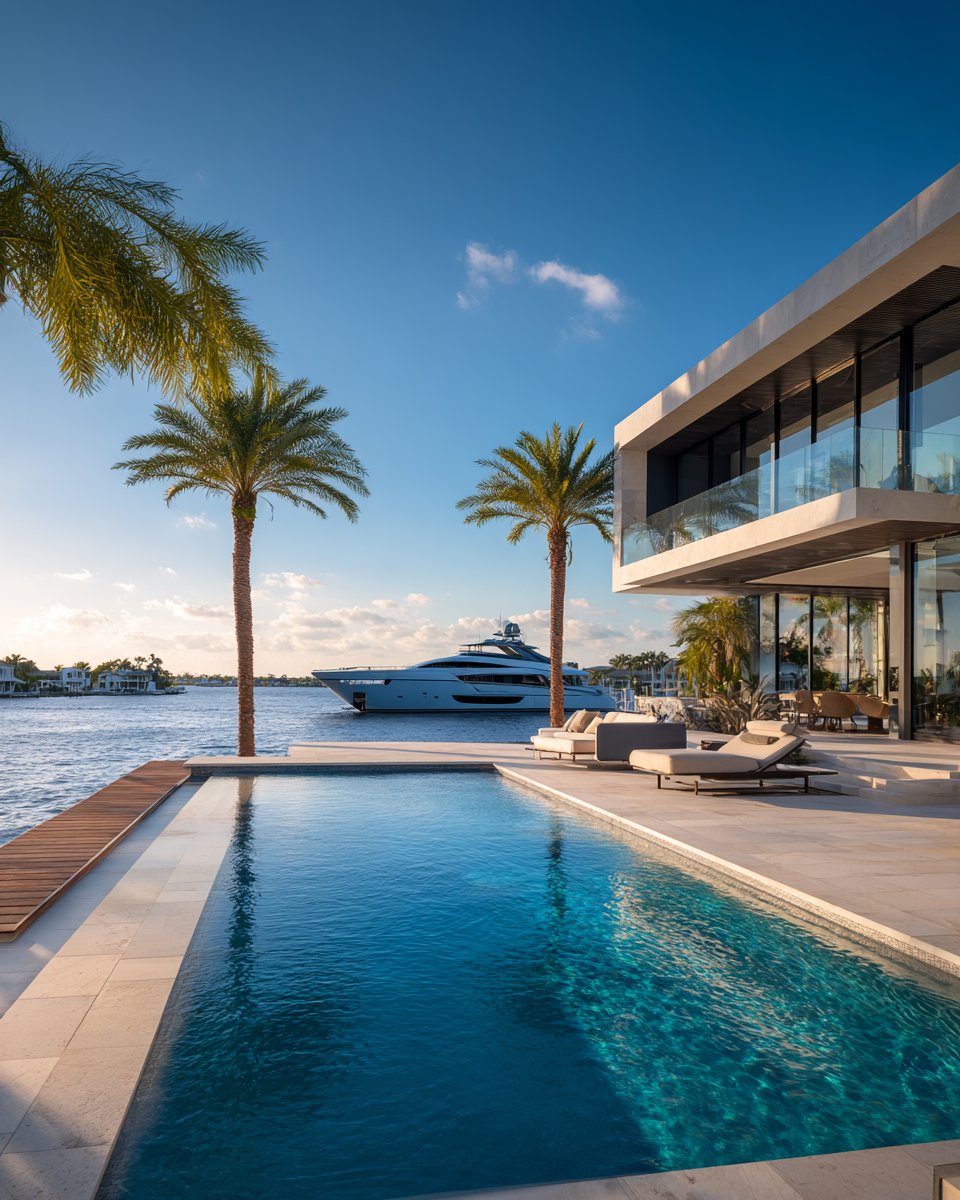
The Flagler Waterfront district runs along Flagler Drive on the Intracoastal corridor. The city characterizes it with waterfront green open spaces, high-rise condominium buildings, and office towers.
This creates a different mood from the downtown retail core. Instead of being centered mainly on storefront activity, the appeal here leans more toward views, waterfront access, and a daily routine shaped by the outdoors.
Recreation and water access
The waterfront lifestyle is not just about what you see from your balcony. Waterfront Commons at 100 N Clematis Street offers paved walking trails, shade areas, picnic tables, toilets, and water fountains.
The city also notes downtown waterfront Intracoastal access and free docks for non-commercial boats on a first-come, first-served basis from 5 a.m. to midnight. Nearby kayak, paddleboard, and catamaran options add to the appeal if you want your condo search to support a water-focused routine.
Who the waterfront may suit best
If views and coastal atmosphere matter more to you than being in the middle of the busiest retail blocks, the Flagler corridor may be the stronger fit. Buyers who prioritize boating, outdoor access, and a more scenic day-to-day setting often start here.
For many second-home buyers, this lifestyle can feel especially appealing because it delivers a stronger sense of place the moment you arrive.
Quieter residential condo pockets
A more residential feel
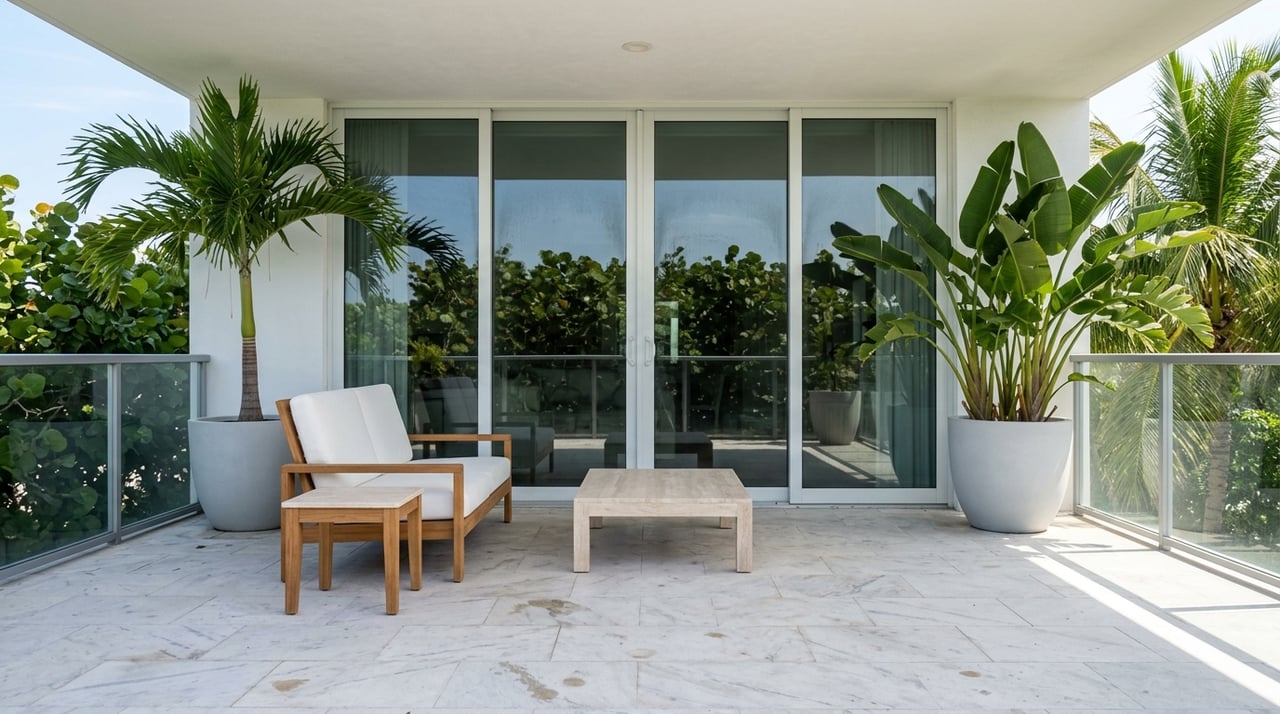
Not every West Palm Beach condo buyer wants nightlife outside the front door. The city says the low-scale residential areas west of Rosemary offer an alternative housing type not available elsewhere downtown.
In the Transit Oriented District, the interior is envisioned as a mid-rise residential neighborhood with a park, walkable streets, reduced parking ratios, and green space. That can translate into a more residential feel and less immediate street activity than the main downtown corridors.
Historic-edge character to consider
West Palm Beach also has a strong preservation story. The city says it has 17 historic districts and more than 45 individually designated sites, with districts including El Cid, Flamingo Park, Grandview Heights, Northwest, and Northwood Harbor.
If a condo or building sits within a historic district, exterior changes that alter the building’s appearance require historic review and a Certificate of Appropriateness. Demolition of a contributing building or district property also requires Historic Preservation Board review.
Who quieter pockets may suit best
These locations may work well if you want architectural character, a lower-rise environment, and a pace that feels more residential. They can also appeal if you value preserved streetscapes and do not mind an added review process before certain exterior updates are approved.
If your goal is balance, meaning access to downtown without living in its busiest blocks, this category is worth a close look.
Questions to ask before choosing
Start with your daily routine
Before you compare individual buildings, narrow your lifestyle priorities. A few simple questions can help clarify your best fit:
- Do you want walkability to dining, services, and events?
- Do you care more about water views and waterfront recreation?
- Would you rather have a quieter, lower-scale setting?
- How important are parks and green space in your weekly routine?
- Do you want a true second-home feel or a more urban home base?
Your answers usually point you toward the right district before you even start comparing specific condos.
Then evaluate the building itself
Once the location feels right, shift your focus to ownership details. In Florida, condo due diligence now carries more weight than many buyers expect, especially in larger and older buildings.
A beautiful unit can still come with important financial or structural questions. That is why the building story matters just as much as the interior finishes.
West Palm Beach condo due diligence
Review inspections and reserve studies
Florida requires a residential condominium association to complete a Structural Integrity Reserve Study at least every 10 years for buildings that are three habitable stories or higher. The study must cover items including the roof, structure, fire protection, plumbing, electrical systems, waterproofing and exterior painting, windows and exterior doors, and other qualifying components.
Florida also requires milestone inspections for buildings that are three stories or higher at age 30, or age 25 in some coastal or local circumstances. The inspection report must be shared with owners.
Request the right documents
Before closing, buyers are entitled to key condo documents. These include the declaration, articles of incorporation, bylaws, rules, recent financial statements and budget, and the FAQ sheet.
If applicable, buyers should also receive the milestone inspection summary and the most recent Structural Integrity Reserve Study. Reviewing these documents can tell you far more about long-term ownership costs than a showing ever will.
Look closely at reserves and assessments
Association budgets can reflect special assessments, lines of credit, or loans tied to inspection-related repairs. That means the reserve story matters as much as the lobby, amenities, or interior design.
When comparing condos, ask not only what the monthly fee is, but also what the association is funding now and what major work may still be ahead. A higher monthly fee is not automatically a red flag if it reflects stronger reserve planning.
Check flood exposure
Flood exposure is another important part of condo selection, especially in waterfront and lower-elevation settings. West Palm Beach says homeowners insurance typically does not cover flood damage, and the city provides flood mapping and flood-zone lookup tools.
The city also notes that its CRS Class 5 rating can mean a 25% discount on NFIP policies issued in the city. For buyers considering waterfront buildings, flood-zone review should be part of the decision from the start, not an afterthought later.
Understand historic review rules
If a building sits in a historic district, verify whether exterior work would need approval before a permit can be issued. That may include updates involving windows, fencing, balconies, or demolition-related work.
This does not make a property less desirable. It simply means you should understand the review process before you plan any future exterior changes.
How to match the right condo lifestyle
If you want the shortest version of the decision, think of West Palm Beach condo living this way:
- Choose downtown if you want the strongest walkability and the broadest mix of retail, dining, and cultural uses.
- Choose the Flagler waterfront if views, boating, outdoor access, and an Intracoastal setting are your top priorities.
- Choose quieter residential pockets if you prefer a lower-scale feel, more neighborhood character, and less immediate street activity.
From there, confirm the practical side of ownership. Building condition, reserve adequacy, flood exposure, and any historic-district rules should all be part of your final decision.
The right condo is not just the one that photographs best. It is the one that supports the way you actually want to live in West Palm Beach, both now and over time.
If you want help comparing West Palm Beach condo options through both a lifestyle and due diligence lens, STK Exclusive offers the high-touch guidance, market insight, and strategic support to help you move with confidence.
FAQs
What is the most walkable condo area in West Palm Beach?
- The downtown core is generally the strongest fit if you want walkability to restaurants, events, services, retail, and cultural uses.
What is the difference between downtown and Flagler waterfront condos in West Palm Beach?
- Downtown is more centered on mixed-use urban living and pedestrian activity, while the Flagler waterfront is more focused on views, green open space, and a water-oriented lifestyle.
What should condo buyers review before closing in Florida?
- Buyers should review condo documents such as the declaration, bylaws, rules, financial statements, budget, FAQ sheet, and, when applicable, the milestone inspection summary and most recent Structural Integrity Reserve Study.
Do West Palm Beach condos need flood insurance review?
- Yes, especially in waterfront and lower-elevation settings, because the city notes that homeowners insurance typically does not cover flood damage.
Do historic districts affect condo ownership in West Palm Beach?
- Yes, if a condo building is in a historic district, some exterior changes may require historic review and approval before permits can be issued.